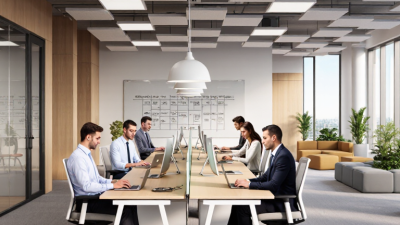
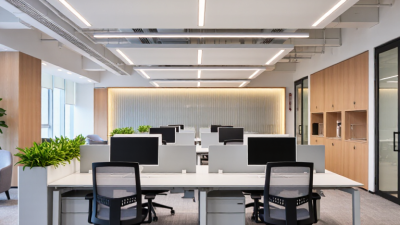
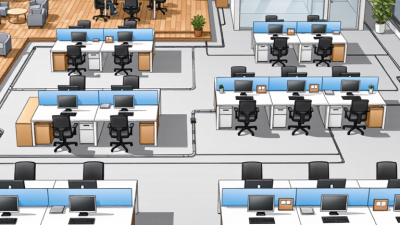
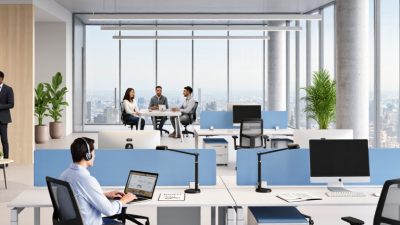
China’s office culture design sector is changing quickly. Companies now ask offices to do more than provide desks and meeting rooms. They want spaces that express identity, support collaboration, and help employees focus. A lobby’s material palette, a project room’s writable walls, and even the route between teams can shape how work feels each day.
Workplace architect Clive Wilkinson has described the office as “the physical manifestation of a company’s culture.” That idea offers a useful lens for comparing China’s leading firms. Strong office culture design connects a company’s values to practical choices, from spatial planning and lighting to acoustics and shared areas. It should also respond to local work habits, building conditions, and the needs of different teams. Looks matter. So does usability.
This overview of China’s top 10 office culture design companies considers more than polished photographs. It examines design expertise, project experience, service range, and the ability to turn a client’s brief into a workable environment. No ranking can be perfectly neutral; public project information also varies in depth. Some details are easy to miss. Readers should treat the list as a starting point, then assess each firm’s portfolio, process, and fit for their own workplace.
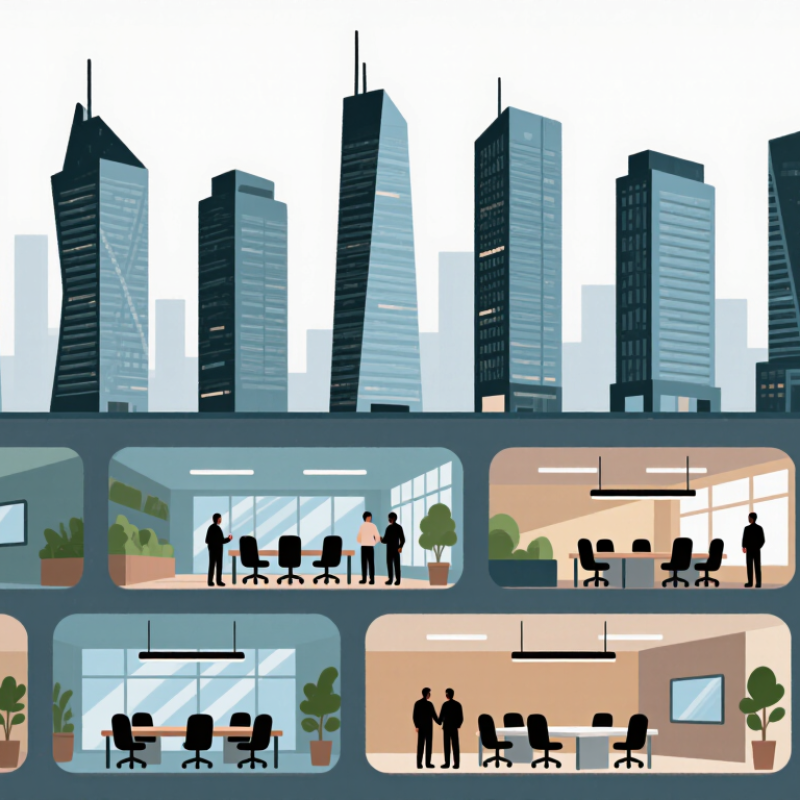
Office culture design in China is more than a visual style. It translates an organization’s values into daily workplace experiences. The design should reflect how teams collaborate, make decisions, welcome visitors, and focus on demanding tasks. China’s workplaces are diverse, so a solution suited to a fast-growing technology team may not fit a research office or regional headquarters. Local work patterns matter.
Strong projects connect planning with real behavior. A glass meeting room, for example, can support quick discussions, but poor acoustic control may spread noise across the floor. Quiet rooms, adjustable lighting, clear circulation, and comfortable shared tables offer practical choices. Materials and cultural references should feel considered, not applied as decoration. Employee interviews and post-occupancy reviews help test whether the space works. Even careful designs miss things. That is a useful reason to keep listening and adjusting.
Tips: Observe a typical workday before setting the layout. Ask staff where interruptions happen. Test lighting and sound in busy hours, not only during a polished site visit.
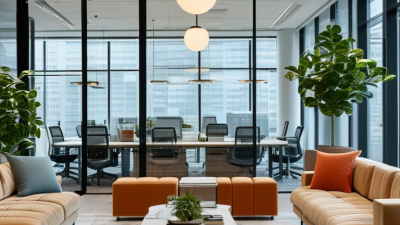
A framework for understanding the priorities behind culturally responsive office design—not a company ranking or market survey.
How to read this: Scores are illustrative framework ratings, not measured industry data. They highlight common considerations: adaptable work settings, collaboration, employee wellbeing, local cultural context, sustainability, and workplace technology.
Evaluating office culture design companies starts with how well they listen. A strong team studies work patterns, staff interviews, and existing space before proposing colors or slogans. Ask how they turn values such as openness into visible choices: shared project tables, quiet rooms, clear circulation, and places for informal conversation. Request a written brief that links each design decision to a workplace need. A polished reception area is not enough.
Check the evidence behind their process. Gallup’s 2024 State of the Global Workplace report found that 23% of employees worldwide were engaged in 2023. This figure is not a measure of office design, and design alone cannot solve disengagement. It does underline why companies should assess staff experience, not just appearance. Look for baseline and follow-up surveys, space-use observations, and feedback from different teams. Ask how the designers handle conflicting needs, such as focused work beside lively collaboration. Some answers may remain imperfect.
Tips: Bring sample floor plans and real staff comments to the first meeting. Ask for measurable goals, such as fewer interruptions or easier team interaction. Visit a completed project, if possible, and speak with its users. Check whether the proposal includes post-occupancy review, not just a handover date.
Profiles of China’s top ten office culture design companies should explain how each team turns workplace values into daily experience. Without relying on brand claims, compare ten capabilities: workplace strategy, cultural research, interior architecture, identity translation, wayfinding, environmental graphics, lighting, acoustics, sustainability, and project delivery.
Strong profiles show completed projects, explain design decisions, and include feedback from employees after occupation. A mood board is not proof. Neither is a striking lobby.
The World Green Building Council’s 2019 report, Bringing Embodied Carbon Upfront, attributes 39% of global energy-related carbon emissions to buildings and construction: 28% to building operations and 11% to materials and construction. That finding makes material choices and long-term performance relevant to office culture design, not just decoration.
Compare how each practice addresses reuse, comfort, and changing work patterns. Ask for measurable outcomes where available. Some projects still lack useful post-occupancy data; that is a real gap, not a detail to hide. A thoughtful profile should state what is known, what remains untested, and how the design supports people at their desks, in meeting rooms, and in shared spaces.
Comparing China’s top ten office culture design companies means looking beyond polished renderings. Their services may span workplace research, space planning, interior design, and project coordination, but the depth of each service can differ. Some teams begin with interviews and workflow studies. Others move quickly to layouts and material samples. Neither approach is automatically better; the right fit depends on how clearly a company connects its design decisions to daily work.
Design approaches also vary in how they express a company’s culture. One office might use quiet meeting rooms, shared project tables, and warm wood finishes to support focus and collaboration. Another may prioritize flexible zones that can change as teams grow. Ask how designers balance visual identity with practical needs, such as storage, acoustics, lighting, and accessible circulation. A striking reception area is useful, but it cannot compensate for noisy workstations. And plans do not always survive contact with real routines. That deserves honest review.
Tips: Request a sample schedule, a detailed scope, and examples of completed spaces. Ask who will manage site coordination and how changes are documented. Check the details. A clear process often matters as much as a compelling concept.
China Top 10 Office Culture Design Companies?
How to Choose an Office Culture Design Company in China
Choosing an office culture design company starts with understanding how your team actually works. Ask how designers learn about daily routines, not just leadership’s preferred image. A useful discovery process may include staff interviews, observation, and a review of meeting patterns. Look for questions about privacy, collaboration, storage, and growth. That matters.
Review completed projects for practical detail. Can the team explain why a quiet room sits away from a busy walkway? Do drawings show lighting, materials, circulation, and accessibility clearly? Request references and ask past clients about timelines, revisions, and coordination with local contractors. A polished rendering alone proves little. Ask why.
Compare proposals by scope, not just price. Confirm who handles site surveys, construction documents, material samples, and on-site checks. Ask how changes are priced and how design decisions will be recorded. In China, local experience can help teams navigate regional suppliers, building conditions, and approval processes. Still, local knowledge is not a substitute for listening. A design that looks impressive may miss how people use the space at 4 p.m., when calls overlap and meeting rooms fill up. Include employees in reviews, test sample finishes in real lighting, and be ready to revise assumptions. Sometimes the first plan is wrong.