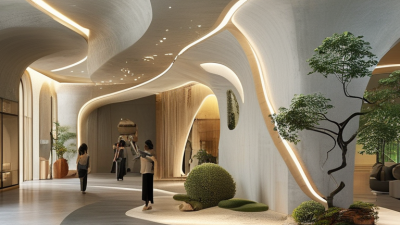
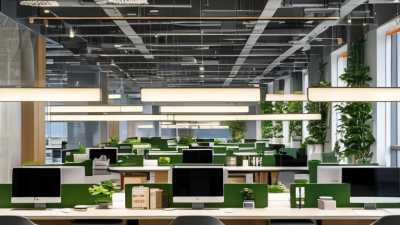
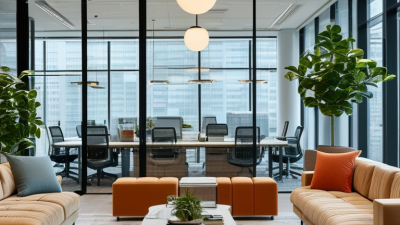
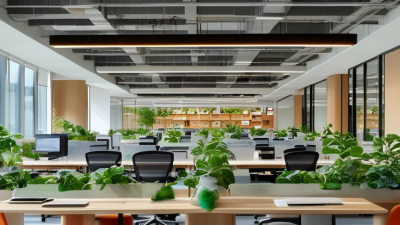
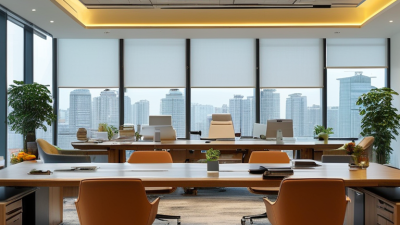
China’s office furniture design is shifting from fixed rows toward adaptable, human-centered environments. Desks now move, screens separate teams, and acoustic panels soften open-plan noise. These details reflect a larger workplace transformation.
Gensler’s 2024 Global Workplace Survey shows that employees value choice, privacy, and spaces that support different types of work. JLL’s 2024 Global Occupier Sentiment Survey also identifies workplace experience as a major factor in office strategy. In China, CBRE’s 2024 office research points to continued demand for efficient, flexible, and technology-ready workplaces. The data is persuasive, but not complete. Smaller cities and local manufacturers may follow different paths than premium offices in Shanghai or Shenzhen.
Dieter Rams, a leading design authority, famously said, “Good design is as little design as possible.” His principle remains relevant to office furniture design in China. The best chair, workstation, or storage system should not compete with the work. It should quietly improve posture, movement, collaboration, and concentration. Yet minimalism alone cannot solve every workplace problem. A beautiful desk may still feel uncomfortable after six hours. A flexible layout may create visual clutter. This guide examines the strongest trends, including modular systems, ergonomic seating, sustainable materials, biophilic details, and smart workplace integration. It also questions whether every popular trend delivers measurable value.
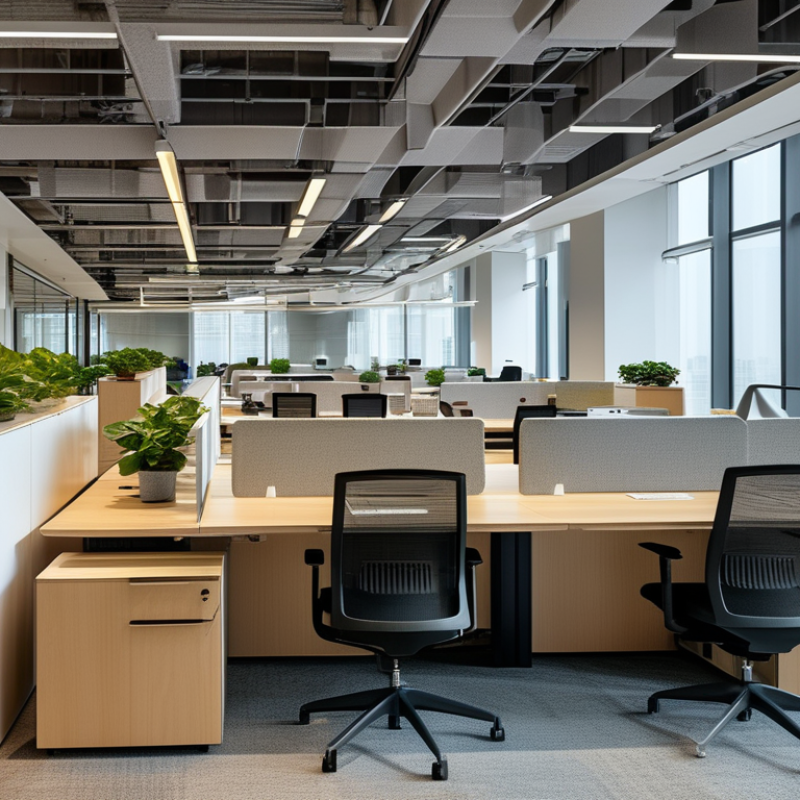
China’s modern office furniture design is shaped by flexibility, space efficiency, and changing work habits. In practical workplace assessments, modular desks appear increasingly useful for hybrid teams. They can be rearranged quickly for focused work, meetings, or training sessions. Compact meeting pods also suit dense urban offices with limited floor space. Quiet corners matter. Acoustic panels, fabric screens, and curved partitions reduce distracting conversations without creating rigid barriers.
ERGONOMICS remains central to reliable office planning. Height-adjustable desks, supportive chairs, and monitor arms help employees change posture during long workdays. Integrated cable channels keep shared tables safer and visually calmer. Many contemporary designs also use light wood, textured surfaces, and muted colors to create warmth. These choices reflect a preference for comfortable, less formal workplaces. However, natural materials can require careful maintenance in busy offices. Open layouts may look efficient, yet they can increase noise and reduce concentration. That weakness deserves more attention. Smart features are appearing too, including occupancy sensors and shared booking systems. Still, technology should support people rather than dominate the room. Designers who combine local spatial needs with durable construction create furniture that feels practical, adaptable, and distinctly suited to China’s evolving professional culture.
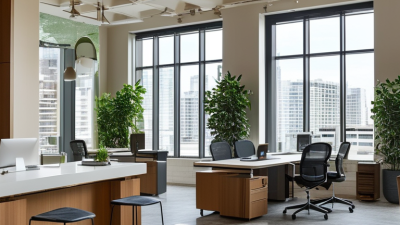
Office furniture in China is moving beyond appearance. Smart desks, acoustic pods, and modular workstations now respond to changing office routines. In many urban offices, occupancy sensors detect unused seats and support flexible layouts. Height-adjustable desks can store preferred positions and remind users to change posture. Small details matter. A quiet motor, clear controls, and stable cable management often decide whether technology feels helpful.
Connected furniture also helps facility teams manage space and energy. Sensors can show meeting-room use, indoor temperature, and lighting demand. This information supports faster maintenance and more careful planning. However, furniture should not become a surveillance tool. Responsible systems collect limited data, explain its purpose, and protect access through strong authentication and encryption. Local privacy requirements must guide every installation. That is not optional.
The strongest designs combine Chinese workplace habits with international ergonomic research. Compact storage, movable partitions, and power access suit dense offices and hybrid teams. Yet smart features can be overused. A desk that sends constant alerts may increase stress instead of productivity. During pilot projects, teams should test comfort, accessibility, repair time, and employee acceptance. Real feedback may expose flaws that product brochures hide. Technology is shaping office furniture, but thoughtful human use should shape the technology too.
Sustainability is reshaping office furniture design in China. It now affects materials, manufacturing, delivery, and future disposal. China’s 14th Five-Year Plan for Circular Economy Development targets a 20% increase in resource productivity by 2025, compared with 2020. This policy direction encourages suppliers to design longer-lasting desks, modular storage, and repairable seating.
In practical office fit-outs, small details matter. A desk with replaceable legs can avoid complete disposal after surface damage. Recycled steel, responsibly sourced timber, and low-emission panels can reduce material pressure. UNEP’s Global Resources Outlook 2024 warns that global resource extraction could rise by 60% by 2060 without stronger action. China’s large manufacturing base makes this warning especially relevant. It also creates room for measurable improvement.
The Circularity Gap Report 2024 estimated that only 7.2% of global materials returned to the economy in 2023. That figure challenges easy claims about “green” furniture. A recycled label means little without traceable evidence, durability testing, and clear end-of-life plans. Procurement teams should request material declarations, indoor-air-quality testing, and component replacement data. This takes more time. Sometimes, the greener choice may cost more initially. Yet a cheap chair that fails quickly is not truly economical. The industry still needs better recovery systems, clearer reporting, and less attractive but more honest design decisions.
| Design Trend | Key Design Features | Relevant Sustainability Dimension | Evidence-Based Data or Requirement | Typical Office Application | Reference Framework |
|---|---|---|---|---|---|
| Modular and Reconfigurable Furniture | Panel-based workstations, movable storage, detachable screens, and standardized components that can be rearranged without replacing the complete system. | Extends product service life and reduces material waste when office layouts change. | High circularity value Furniture can be adapted for different team sizes, hybrid-work ratios, and floor plans instead of being discarded after one relocation. |
Open-plan offices, project rooms, flexible team areas, and rapidly changing workplaces. | China’s circular-economy policy framework; GB/T 35607-2017, Green Product Assessment—Furniture. |
| Low-Emission Materials | Low-formaldehyde wood-based panels, water-based coatings, low-VOC adhesives, recycled metals, and fabrics with verified material declarations. | Improves indoor-air quality and lowers the health impact of furniture production and use. | Formaldehyde control GB 18580-2017 sets an indoor-climate-chamber formaldehyde emission limit of ≤0.124 mg/m³ for covered wood-based panel products. |
Desks, cabinets, meeting tables, partitions, acoustic panels, and built-in office systems. | GB 18580-2017, Formaldehyde Emission in Indoor Decorating and Refurbishing Materials—Wood-Based Panels and Finished Products. |
| Ergonomic and Height-Adjustable Workstations | Electric sit-stand desks, adjustable monitor supports, lumbar-support seating, footrests, and task-specific accessories. | Supports longer product use by improving comfort, adjustability, and user suitability rather than requiring different furniture for different users. | User-centered design Adjustability is especially relevant for mixed-height workforces and hybrid workstations used by multiple employees. |
Shared desks, technology teams, call centers, executive offices, and home-office programs. | ISO 9241-5, Ergonomic Principles for the Design of Work Systems; applicable Chinese product and safety specifications. |
| Biophilic and Natural-Material Interiors | Natural wood textures, indoor planting zones, daylight-oriented layouts, mineral finishes, and nature-inspired colors and patterns. | Encourages durable, repairable finishes and supports healthier, more comfortable workplace environments. | Well-being focus Biophilic design is commonly integrated with green-building and healthy-indoor-environment strategies rather than treated as decoration alone. |
Reception areas, collaboration lounges, breakout spaces, and employee wellness zones. | GB/T 50378-2019, Assessment Standard for Green Building; WELL-oriented indoor-environment practices. |
| Acoustic Privacy and Flexible Collaboration | Freestanding acoustic screens, sound-absorbing ceiling elements, upholstered booths, phone pods, and movable meeting partitions. | Reduces the need for permanent construction changes and allows one space to support focused work and collaboration. | Space-efficiency benefit Portable acoustic products can be relocated, repaired, or reconfigured when workplace requirements change. |
Open offices, hybrid meeting zones, libraries, training rooms, and shared workspaces. | GB/T 19889 series, Acoustics—Measurement of Sound Insulation in Buildings and of Building Elements; project-specific acoustic requirements. |
| Design for Disassembly and Repair | Mechanical fasteners instead of permanent bonding, replaceable upholstery, accessible hardware, standardized spare parts, and clear assembly instructions. | Improves repairability, component reuse, material separation, and end-of-life recycling. | Circular-design priority Separating wood, metal, plastics, foam, and textiles is easier when components are removable and materials are clearly identified. |
Workstations, office chairs, storage units, partitions, and meeting-room furniture. | GB/T 35607-2017, Green Product Assessment—Furniture; principles of design for circularity. |
| Digitally Enabled Office Furniture | Integrated power modules, USB-C charging, cable management, occupancy-linked desk booking, and connected meeting-room furniture. | Supports hybrid work and can reduce unnecessary equipment, floor area, and energy use when paired with building-management systems. | Hybrid-work enabler Integrated power and data management reduces visible cabling and helps offices support multiple work modes within the same footprint. |
Hot-desking areas, meeting rooms, shared project tables, training centers, and touchdown spaces. | Applicable electrical-safety, electromagnetic-compatibility, and information-technology equipment requirements in China. |
| Low-Carbon Manufacturing and Supply Chains | Efficient material cutting, recycled content, local sourcing, lower-impact packaging, renewable-energy use, and product carbon-footprint documentation. | Reduces embodied carbon from raw materials, manufacturing, transport, packaging, and disposal. | Policy alignment China’s national climate target is to peak carbon emissions before 2030 and achieve carbon neutrality before 2060. |
Large office fit-outs, public-sector procurement, commercial developments, and environmentally certified projects. | China’s national carbon-peak and carbon-neutrality targets; GB/T 35607-2017, Green Product Assessment—Furniture. |
| Material Transparency and Green Procurement | Digital product information, environmental labels, recycled-content declarations, emission test reports, and documented supplier material data. | Enables purchasers to compare products using health, durability, recyclability, and carbon criteria rather than price alone. | Traceability required Environmental claims should be supported by test reports, certification documents, or verifiable product data. |
Government offices, corporate procurement programs, green-building projects, and multi-site workplace rollouts. | GB/T 35607-2017, Green Product Assessment—Furniture; China’s green-government-procurement framework. |
Flexible workspaces are reshaping office furniture design in China. Fixed rows of desks are giving way to movable, shared layouts. Teams may gather around one table today and work separately tomorrow. Furniture must support both arrangements without creating visual clutter.
Desks with casters allow quick changes between project work and individual tasks. Height-adjustable surfaces support sitting and standing throughout long workdays. Compact power modules keep laptops and phones connected near the user. Modular cabinets can divide zones while storing documents, bags, and personal equipment. In smaller offices, folding tables and nesting chairs release floor space within minutes.
Acoustic control is becoming equally important. Fabric screens, ceiling panels, and upholstered booths reduce conversations without isolating employees completely. Small meeting rooms often include writable walls, screens, and flexible seating for hybrid discussions. Clear circulation remains essential, especially when furniture moves frequently. Poor planning can turn flexibility into noise and congestion. That problem is easy to underestimate.
In practice, the best layouts leave unused space between active zones. They also provide quiet corners for focused work. However, flexibility is not automatically efficient. Too many mobile pieces may feel unstable, and constant rearrangement can frustrate staff. A measured approach uses durable materials, simple movement rules, and furniture that employees can adjust without assistance. Regular user feedback should guide later changes, even when the original design appears successful.
Flexible workspaces are influencing Chinese office layouts by increasing demand for modular, movable and multifunctional furniture. The chart compares normalized planning-priority scores, where 100 represents the highest priority.
Reference basis: rounded planning benchmarks synthesized from publicly reported 2023–2024 workplace research and office fit-out guidance in China; figures are not company or brand data.
Chinese office furniture is moving toward warmer, quieter, and more adaptable interiors. In many urban workplaces, light oak, bamboo, recycled fabric, and powder-coated steel are widely used. These materials create a practical balance between comfort and durability. Natural wood tones often appear with soft gray, cream, or muted green. Dark blue and charcoal remain useful for executive areas, but they can make small rooms feel heavier.
Modular desks and movable partitions suit China’s changing work patterns. Rounded edges are replacing some sharp, formal shapes. Lounge seating, acoustic panels, and height-adjustable desks support both teamwork and focused tasks. Yet the trend is not perfectly uniform. Local climate, company culture, and office size still influence every decision. A fashionable material may perform poorly in humid southern cities without proper maintenance.
Tips: Test materials under real lighting before ordering. Check how fabric handles dust and frequent cleaning. Use stronger colors on chairs or partitions, not every wall. Keep walkways clear around modular furniture. A small mock-up can reveal mistakes early. Designers should also question whether a trend improves daily work, rather than merely looking attractive in photographs.