Explore the Top 10 Productive Office Spaces in China?
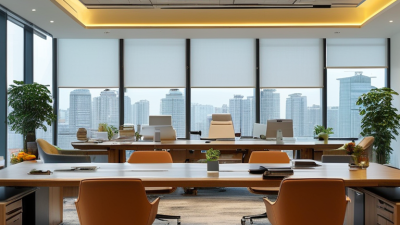
In the ever-evolving landscape of work culture, the design of productive office spaces plays a crucial role. China is home to some of the most innovative and effective work environments. These spaces not only enhance employee productivity but also foster creativity and collaboration.
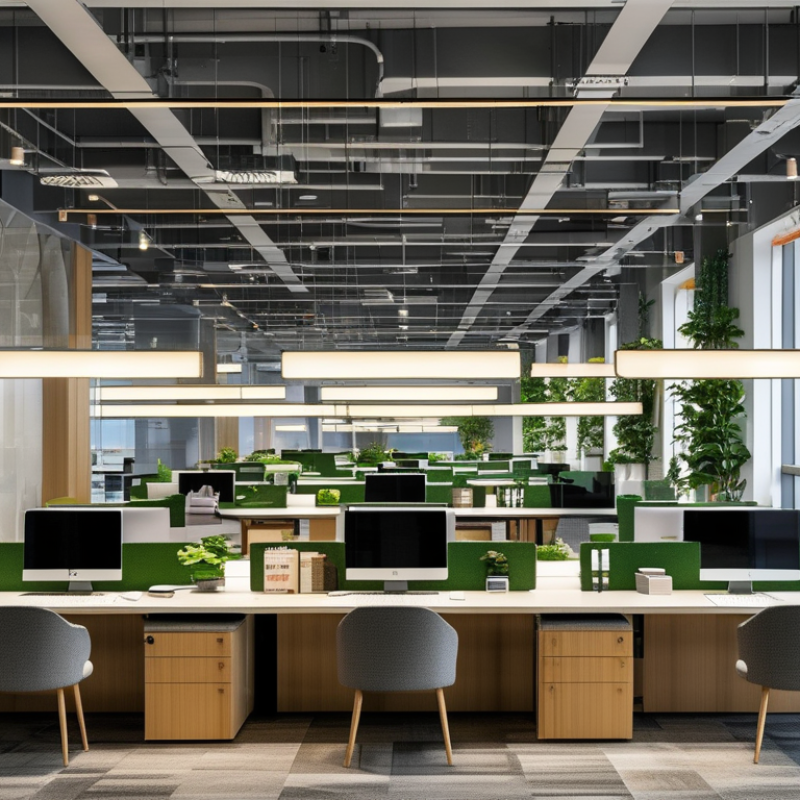
Exploring the top 10 productive office spaces in China reveals unique design elements and philosophies. Each office embodies a blend of functionality and aesthetic appeal. Open layouts, natural light, and green elements are common features. However, not every design hits the mark. Some spaces may overlook individual needs, leading to distractions or discomfort.
As we navigate through these remarkable offices, we will reflect on what makes them successful. Are they truly beneficial for all employees? The answer lies in their ability to adapt to diverse work styles. Let’s dive into the world of China's top productive office spaces and discover the essence of effective work environments.
Top 10 Productive Office Spaces in China: An Overview
In recent years, the demand for productive office spaces in China has surged. A report from the Global Workspace Association shows that companies investing in well-designed office environments see a 25% increase in employee productivity. This trend is evident in cities like Shanghai and Beijing, where innovative spaces foster creativity and collaboration.
Top office spaces combine technology with comfort. Ergonomic furniture and natural lighting are essential features. According to a survey by the International Facility Management Association, employees rate their productivity 15% higher in spaces with adequate lighting and adjustable workstations. These elements impact employee well-being positively.
However, not all office designs reach their potential. Some organizations overlook the importance of noise management. Open-concept spaces can lead to distractions. Balancing openness and privacy is a challenge. Companies need to continuously reassess their office environments based on employee feedback. Constructive reflection on design choices is crucial for sustaining productivity.
Explore the Top 10 Productive Office Spaces in China
| Office Space Name |
Location |
Size (sqm) |
Key Features |
Occupancy Rate (%) |
| Creative Hub |
Beijing |
1,500 |
Collaborative Spaces, Open Layout |
85 |
| Tech Oasis |
Shanghai |
2,200 |
High-Tech Amenities, Lounge Areas |
90 |
| Business Center |
Guangzhou |
1,800 |
Meeting Rooms, Event Spaces |
75 |
| Innovators' Nest |
Shenzhen |
1,000 |
Networking Events, Flexible Workspaces |
80 |
| Co-Working Space |
Hangzhou |
1,200 |
Open Desk, Private Offices |
88 |
| Start-Up Space |
Chengdu |
1,600 |
Mentorship Programs, Workshops |
76 |
| Design Studio |
Nanjing |
900 |
Creative Environment, Art Facilities |
82 |
| Remote Work Hub |
Xi'an |
1,100 |
Quiet Areas, Focus Zones |
78 |
| Entrepreneurship Space |
Suzhou |
1,400 |
Access to Funding, Business Support |
85 |
| Collaboration Center |
Wuhan |
1,300 |
Team Activities, Conference Rooms |
87 |
Historical Evolution of Office Spaces in China
The evolution of office spaces in China reflects significant historical shifts. From traditional wooden rooms to modern skyscrapers, each phase tells a rich story. In the early days, offices mirrored the social hierarchy. Spaces were divided based on rank, impacting workflow and communication. This structure often stifled creativity and innovation.
As the economy opened up in the late 20th century, the concept of workspace transformed. Open layouts emerged, promoting collaboration. This shift aimed to break down barriers and enhance teamwork. However, such spaces sometimes lacked privacy, leading to distractions. Finding the balance between open collaboration and personal space is often challenging.
When designing or choosing an office, focus on functionality. Ensure spaces cater to diverse working styles. Consider incorporating quiet zones for concentration. Flexibility is key; allow employees to choose where they work best. Pay attention to aesthetics as well. A well-designed space can inspire creativity. Ultimately, the aim is to enhance productivity while maintaining comfort.
Key Features of Productive Office Environments
Creating a productive office environment in China requires attention to specific features that enhance employee efficiency. Studies show that natural light increases productivity by 15%. Spaces with large windows or skylights not only boost mood but also reduce eye strain. The design of the layout matters. Open spaces encourage collaboration, while quiet zones support focused work.
Incorporating greenery is another vital element. Plants improve air quality and lower stress levels. Research indicates that employees are 13% more productive in greener settings. The choice of furniture also impacts productivity. Ergonomic chairs and desks lead to fewer health issues, providing comfort throughout the workday.
Despite these insights, many offices still struggle to balance openness and privacy. Randomly assigned spaces may lead to noise distractions. Organizations need to reflect on their layout choices. Are employees truly comfortable? Is there a social pressure to always collaborate? Addressing these gaps can lead to a more effective work environment, ultimately benefiting both employees and the company.
Case Studies of Successful Office Designs in Major Cities
The office spaces in China are evolving rapidly. Reports indicate that companies are prioritizing collaborative environments. Data shows that well-designed workspaces can boost productivity by up to 20%. This shift is evident in cities like Shanghai and Beijing, where vibrant colors and open layouts dominate.
Case studies reveal unique approaches to office design. One notable example features a multifunctional space in Shenzhen. The area combines leisure and work, featuring cozy lounges and quiet zones. Such designs foster creativity but can also lead to distractions. Balancing functionality with inspiration is key.
Moreover, sustainability has become a priority. Offices incorporating green elements, like indoor plants and natural light, see improved employee satisfaction. Yet, some designs overlook the need for private spaces. As companies invest in aesthetics, they must not forget employee well-being. Without careful planning, the essence of a productive workspace can be lost.
Future Trends in Office Space Productivity in China
The landscape of office spaces in China is evolving rapidly. Future trends suggest a shift towards flexible designs that foster collaboration. Open layouts are gaining popularity, encouraging greater communication among team members. Research indicates that such environments can boost productivity.
Technology integration is also key. Smart offices equipped with IoT devices help streamline daily operations. Employees can control lighting and temperature with a simple app. This convenience reduces stress and enhances focus. However, not all spaces are adapting seamlessly. Some companies still rely on traditional setups, which can stifle creativity.
Sustainability is becoming a priority too. Many firms are exploring green building practices to reduce their carbon footprint. Innovations such as indoor gardens and energy-efficient systems are on the rise. Yet, the challenge remains to balance functionality with ecological responsibility. This complexity prompts a reevaluation of how we approach office design in the coming years.
Explore the Top 10 Productive Office Spaces in China