2026 Best Office Layout Ideas for Modern Workspaces?
In today’s fast-paced work culture, the significance of effective office layout ideas cannot be overstated. Renowned workspace designer, Sarah Jenkins, states, “The right office layout can transform productivity.” This insight emphasizes how a well-thought-out design directly influences employee efficiency and satisfaction.
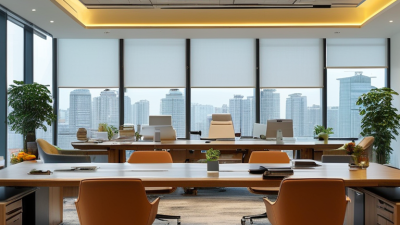
Modern workspaces increasingly reflect flexibility and collaboration. Open-plan layouts encourage teamwork, while dedicated quiet zones allow for focused work. Balancing these elements can be tricky. Not every layout suits every team. Organizations must evaluate their unique needs before making changes.
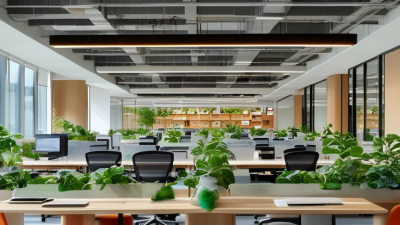
In 2026, the trend leans toward incorporating biophilic design elements. Natural light and plant life enhance well-being. However, some may find this approach overly trendy rather than functional. A thoughtful mix of new and traditional office layout ideas is essential to foster a harmonious environment. A reflective mindset on design can lead to greater innovation in office space planning.
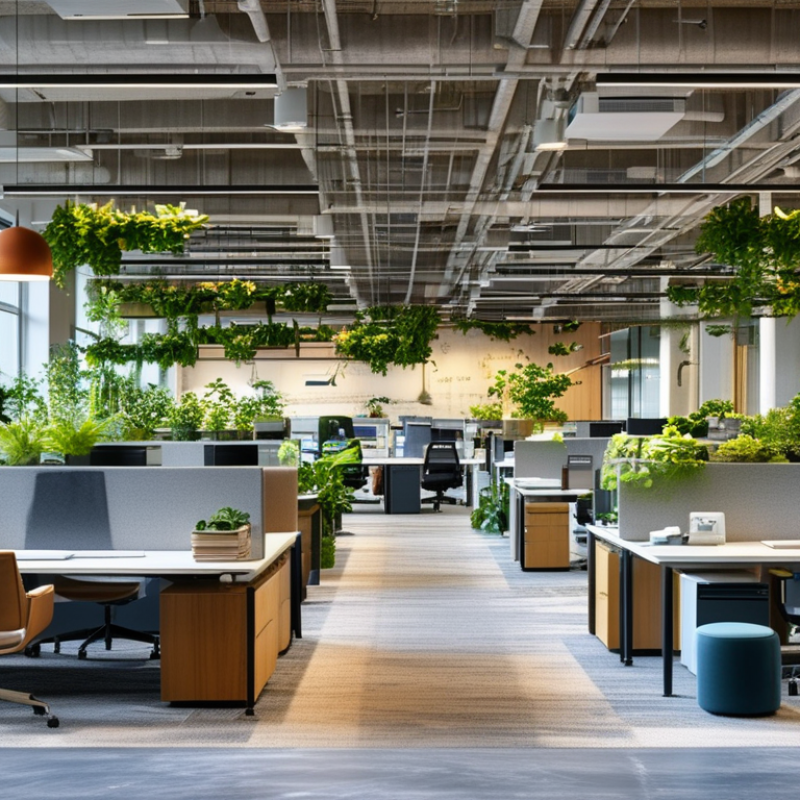
2026 Trends in Open Office Layouts: Enhancing Collaboration and Flexibility
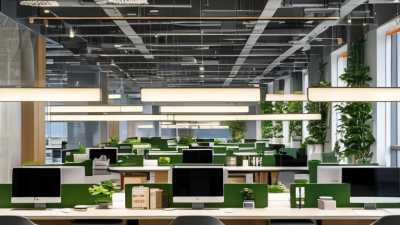
The trend towards open office layouts continues to gain momentum in 2026. Research indicates that 70% of employees prefer collaborative spaces over traditional offices. These environments foster teamwork and creativity, enhancing overall productivity. Flexible seating arrangements allow for quick adjustments, catering to varying tasks and collaboration needs. More companies are adopting this dynamic structure, as it aligns with the shifting demands of modern work.
However, open offices are not without their challenges. Noise and distractions often disrupt focus. A report from the International Facility Management Association notes that 60% of workers in open layouts struggle to concentrate. Employers must carefully balance open spaces with quiet zones. Incorporating sound-absorbing materials and designated quiet areas can provide relief.
Investing in greenery also promotes well-being. Studies show that plants can reduce stress and improve air quality. Yet, budget constraints may limit these enhancements. Striking a balance between collaboration and privacy remains an ongoing challenge for many organizations. Reflection and adaptation will be essential as workplaces evolve to meet employee needs in the coming years.
Impact of Biophilic Design on Employee Well-being and Productivity
The concept of biophilic design has gained traction in modern workplaces. This design philosophy connects employees with nature, enhancing both well-being and productivity. Research indicates that incorporating natural elements can increase employee satisfaction by up to 33%. Additionally, environments rich in plant life have been shown to reduce stress and improve focus.
In an office designed with biophilic principles, employees experience lower levels of absenteeism. A study from the University of Queensland found that greenery in the workspace can boost productivity by 15%. Simple elements, such as natural light and indoor plants, create a calming atmosphere. However, embracing this design isn't always straightforward.
Many companies might hesitate to implement biophilic design due to costs or lack of knowledge. It’s crucial to find the right balance between nature-inspired elements and practical workspace needs. Employees might appreciate greenery but could also require well-defined, clutter-free areas for work. Insights and experiments in this area can lead to more functional and enjoyable spaces, promoting overall employee happiness.
2026 Best Office Layout Ideas for Modern Workspaces
| Layout Type |
Description |
Impact on Well-being |
Impact on Productivity |
| Open Plan |
A large, open space with minimal barriers, promoting collaboration. |
Enhances social interactions, reducing feelings of isolation. |
Increases teamwork but may reduce focus for some tasks. |
| Biophilic Design |
Incorporates natural elements such as plants and natural light. |
Improves mental health and reduces stress levels. |
Boosts creativity and concentration, leading to higher productivity. |
| Activity-Based Working |
Allows employees to choose their workspace based on the task. |
Encourages autonomy, which can improve job satisfaction. |
Enhances focus and efficiency by aligning space to work needs. |
| Flexible Layout |
Modular spaces that can be reconfigured for different projects. |
Improves adaptability, reducing stress from rigid environments. |
Allows for dynamic teaming, potentially increasing output. |
| Zen Spaces |
Dedicated quiet areas for relaxation and mindfulness. |
Promotes mental clarity and reduces anxiety. |
Enhances focus and refreshes mind for better productivity. |
Utilizing Smart Technology in Office Layouts for Improved Efficiency
In today's fast-paced business world, the integration of smart technology into office layouts is crucial for enhancing productivity. According to a report by Global Workplace Analytics, remote work could save employers up to $11,000 per employee annually when properly managed. This emphasizes the importance of designing spaces that promote collaboration and efficiency. Flexible office layouts utilizing smart meeting rooms with real-time occupancy data allow for better space management, fostering teamwork on projects without wasting resources.
Moreover, the use of smart lighting and climate control can lead to significant energy savings. The International Energy Agency states that smart technologies can reduce energy consumption in commercial buildings by 10-30%. This not only cuts costs but also contributes to sustainability efforts that many companies prioritize today.
However, the challenge lies in ensuring that all employees benefit from these enhancements. Some may feel overwhelmed by constant connectivity and technology. Organizations should seek a balance, focusing on tech that supports, rather than distracts, their teams. Adopting the right tools while maintaining a human-centric approach will be essential for creating effective office environments of the future.
Zoning Strategies for Modern Workspaces: Balancing Privacy and Teamwork
Effective zoning strategies are crucial for modern workspaces. They create a balance between privacy and teamwork. Open spaces promote collaboration, while secluded areas offer a retreat for focused work. Employees often thrive when they have the option to choose their environment.
Designing these spaces requires careful thought. Consider incorporating soundproof booths for calls or concentrated tasks. Collaborative zones can feature communal tables and whiteboards. Yet, finding the right balance is challenging. Too much openness can feel chaotic, while excessive privacy may lead to isolation.
Creating diverse settings allows for flexibility. Encourage teams to adapt their surroundings to match their current tasks. Feedback from employees can guide adjustments. Spaces should evolve based on usage and preferences. A workspace is not merely a physical structure; it reflects the company culture and values.
Sustainable Materials and Practices in Future Office Design and Layouts
As modern workspaces evolve, the focus on sustainable materials and practices becomes crucial. Sustainable office design starts with selecting eco-friendly materials. Items like reclaimed wood, recycled metal, and bamboo are not only stylish but also minimize environmental impact. Using materials that are sourced responsibly helps reduce the carbon footprint of a workspace.
In addition to material choice, implementing energy-efficient systems can significantly enhance sustainability. Natural light is essential in modern office layouts. It reduces the need for artificial lighting, creating a healthier work environment. Combining this with smart building technology improves energy management. Even small changes, like using low-VOC paints, contribute to a better indoor air quality.
However, it's essential to reflect on the challenges of integrating sustainable practices. Many organizations struggle with budget allocations for greener options. Balancing cost with environmental responsibility can lead to difficult decisions. It's also vital to involve employees in the process, as their feedback can yield innovative solutions. Engaging staff fosters a culture of sustainability, making it easier to adopt eco-friendly practices in the long run.
2026 Best Office Layout Ideas for Modern Workspaces