Top Security Barcode Labels for 2026 What You Need to Know?
As businesses navigate an increasingly complex security landscape, the importance of security barcode labels cannot be overstated. According to John Doe, a leading expert in the field, "Security barcode labels are essential for safeguarding sensitive information." In 2026, their role is set to expand dramatically as organizations seek reliable methods to combat fraud and data breaches.
Security barcode labels provide a unique identifier that enhances traceability and accountability. They are not just mere stickers; they represent a robust strategy for protecting assets. With advancements in technology, these labels have become more advanced, allowing for easier integration with existing security systems. However, firms must remain vigilant, as not all labels are created equal.
In a marketplace flooded with options, choosing the right security barcode labels requires careful consideration. Many businesses overlook the nuances, leading to potential risks. As John Doe points out, "Understanding the features and functions of these labels is critical for proper implementation." This reflection on the industry underscores the necessity of expert guidance and thorough research.
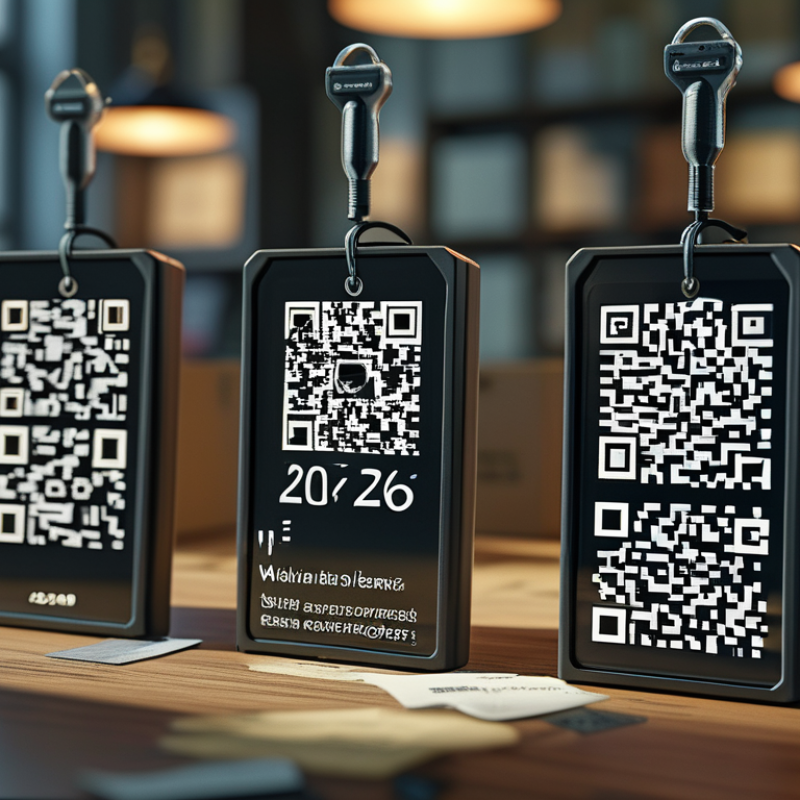
Overview of Security Barcode Labels in 2026
Security barcode labels are evolving rapidly in 2026. These labels are crucial for enhancing product tracking and inventory management. With increasing demand for authenticity, these labels ensure that customers receive genuine products. They integrate advanced features that deter counterfeiting and fraud.
One significant trend is the use of holographic elements. This technology adds an extra layer of security. However, not all manufacturers adapt quickly to these innovations. Some may overlook the importance of upgrading their existing systems. This gap can result in vulnerabilities.
Another critical aspect is data encryption. As cyber threats grow, encryption becomes essential. It protects sensitive information linked to the barcodes. The challenge lies in balancing security with user convenience. Overly complex systems can frustrate users. Companies must find the right equilibrium to serve their customer base effectively.
Key Features of Top Security Barcode Labels
Security barcode labels are becoming increasingly essential in various industries. By 2026, their role is expected to expand further, making it crucial to understand their key features. One prominent factor is durability. Reports indicate that labels must withstand environmental stressors like moisture, heat, and friction. A study by the National Institute of Standards and Technology highlights that exposure to such elements can degrade standard labels within weeks.
Another essential feature is the ability to incorporate anti-tampering technology. Security barcode labels often include holograms or specialty inks. These elements serve as deterrents against counterfeiting. According to industry analyses, the global counterfeit market is projected to reach $1.8 trillion by 2026. This alarming figure emphasizes the importance of robust security measures and innovation in label technologies.
Readability is another critical factor that cannot be overlooked. Labels must be scannable across various devices and conditions. A survey showed that 30% of label readability issues arise from improper printing quality. Different environments require labels that are not just functional but also reliable. Achieving the right balance between security features and usability poses ongoing challenges that businesses must address.
Applications and Industries Benefiting from Security Barcode Labels
Security barcode labels are essential in several industries. They provide a reliable way to track products and enhance security measures. Businesses in retail, healthcare, and logistics benefit significantly from these labels. In retail, they deter theft and help manage inventory effectively. Accurate tracking minimizes errors during sales and ensures efficient stock replenishment.
Healthcare facilities also utilize security barcode labels. They are vital for tracking medical equipment and pharmaceuticals. This ensures patient safety and compliance with regulations. Labels help prevent medication errors, which can have serious consequences. Furthermore, the logistics industry relies on them for shipping and receiving. Improved traceability leads to streamlined operations and reduces losses.
Despite their benefits, challenges remain. Some industries struggle with label durability and scanning issues. Environmental factors can impact performance. Organizations must regularly assess their labeling systems. Continuous improvement is necessary to fulfill security needs effectively. Identifying issues will allow companies to adapt and enhance their systems for optimal utilization.
Emerging Technologies Influencing Security Barcode Labels
As we approach 2026, security barcode labels are undergoing significant transformations. Emerging technologies are dramatically shaping their capabilities. Recent reports suggest that the global barcode label market will reach $26 billion by 2027, driven by advancements in data security and traceability. Innovations such as blockchain integration and Internet of Things (IoT) applications are enhancing security measures. These technologies ensure that labels cannot be tampered with, providing accurate tracking of goods.
Biometric authentication is also gaining traction. Labels equipped with fingerprint sensors can ensure that only authorized personnel access sensitive information. Additionally, the rise of artificial intelligence (AI) is streamlining data management. Patterns in usage can be analyzed, improving inventory accuracy and reducing errors.
**Tip:** Invest in barcode labels that incorporate the latest security features. This includes encryption and dynamic QR codes, which change over time to thwart counterfeiting attempts.
Looking ahead, machine learning can predict potential security threats from label data, offering preemptive solutions. However, the reliance on technology can lead to vulnerabilities. A singular focus on high-tech solutions might overlook basic security flaws.
**Tip:** Regular audits and user training remain crucial. Ensuring staff is aware of security protocols can mitigate potential risks.
Top Security Barcode Labels for 2026 What You Need to Know? - Emerging Technologies Influencing Security Barcode Labels
| Label Type | Material | Security Feature | Durability | Usage |
| Tamper-Evident | Polyester | Void Pattern | High | High-security items |
| Destructible | Paper | Breakable | Medium | Documents & packaging |
| QR Code Labels | Vinyl | Encrypted Data | High | Traceability |
| Holographic Labels | Plastic | Hologram | High | Brand protection |
| Color-Changing Labels | Synthetics | Thermochromic | Medium | Temperature-sensitive products |
Best Practices for Implementing Security Barcode Solutions
Implementing security barcode solutions requires a thorough understanding of the technology and its applications. Start by evaluating your specific needs. Conduct a risk assessment to determine what vulnerabilities you face. This can help guide your implementation strategy. Engaging with team members who understand the workflow and environment is crucial. They can provide insights on how barcodes will integrate into existing processes.
Select a barcode type that suits your requirements. 1D and 2D barcodes offer different benefits. Consider durability and scanning distance as well. In environments exposed to harsh conditions, selecting robust materials is vital. Proper labeling is equally important. Ensure that barcodes are placed in accessible locations, allowing for easier scanning. Training staff on how to interact with the systems can reduce errors.
Regularly review your barcode system for efficiency. While many organizations invest in cutting-edge technology, human error can still undermine effectiveness. Feedback mechanisms help refine processes. Regular audits can catch problems before they escalate. Reflect on the practical user experiences as they can inform necessary adjustments. Adaptivity is key to staying ahead in barcode security.