Why Choose Carbon Steel I Beam for Your Construction Needs?
The construction industry often debates the best materials for structural support. Among them, the Carbon Steel I Beam stands out due to its strength and versatility. Renowned expert John Smith, a structural engineer with over 20 years of experience, emphasizes, “The Carbon Steel I Beam offers unmatched durability and cost-effectiveness.” Choosing the right material shapes the foundation of any successful project.
Carbon Steel I Beams are engineered to handle significant loads. Their design allows for efficient fabrication, reducing construction time and costs. However, they can present challenges, such as susceptibility to corrosion if not properly maintained. Proper treatment or coatings can mitigate this issue, ensuring longevity.
Contractors and builders must weigh the benefits and drawbacks of Carbon Steel I Beams. Experience and knowledge play critical roles in this process. They must also understand material specifications to optimize performance. While Carbon Steel I Beams are reliable, reflection on project needs is essential for the best outcome.
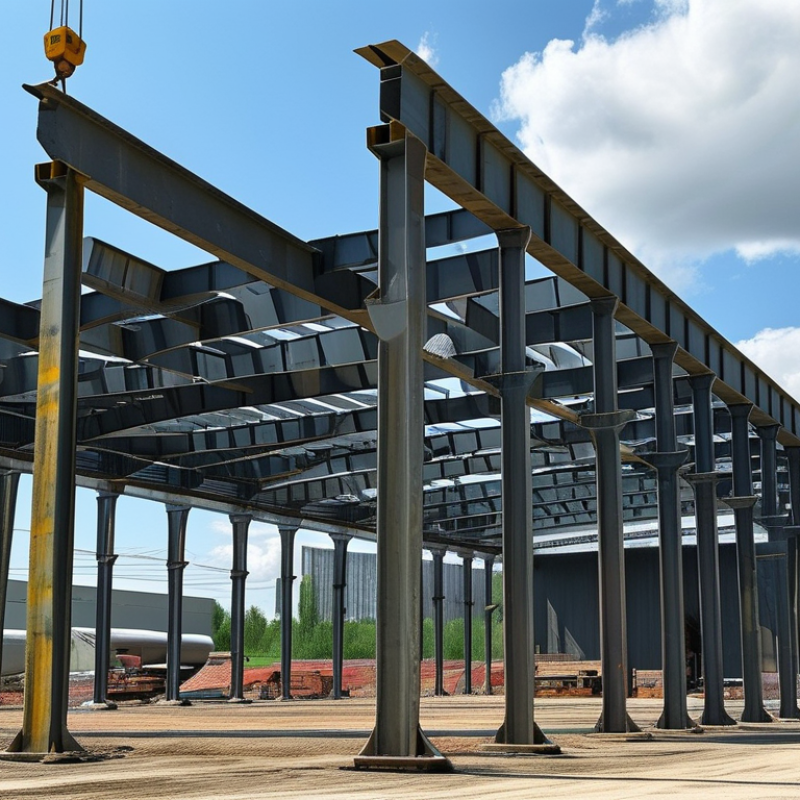
Benefits of Using Carbon Steel I Beams in Construction Projects
Carbon steel I beams are increasingly chosen for various construction projects due to their numerous advantages. One significant benefit is their high tensile strength, which allows them to bear substantial loads. According to the American Institute of Steel Construction, carbon steel I beams often have yield strengths ranging from 36,000 to 50,000 psi. This characteristic makes them ideal for constructing large structures like bridges and skyscrapers.
Another compelling reason for their use is cost-effectiveness. Reliable reports indicate that carbon steel is generally less expensive than many other materials like stainless steel or aluminum. For instance, on average, carbon steel costs around 30% less than alternatives. Additionally, their durability contributes to long-term savings. By resisting corrosion when properly treated, carbon steel I beams can last for many decades with minimal maintenance.
However, there are challenges to consider. While carbon steel I beams are strong, they can be susceptible to rust if exposed to moisture without protective coatings. This potential issue can lead to higher maintenance costs if not addressed early. Engineers must weigh these factors carefully when planning their projects, assessing the right balance between cost, longevity, and environmental conditions. Choosing the right material is critical for the success of any construction project.
Key Properties of Carbon Steel That Enhance Structural Integrity
Carbon steel I beams are popular in construction for many reasons. Their high strength-to-weight ratio makes them suitable for various structural applications. This property allows for the creation of lighter structures without sacrificing durability. Builders appreciate how carbon steel I beams can support heavy loads efficiently.
Another significant property is the corrosion resistance achieved through proper treatment. This aspect enhances the service life of structural components. However, reliance on protective coatings is necessary for optimal performance. Some constructions have still seen premature failure due to inadequate maintenance.
Weldability is a crucial advantage as well. Carbon steel I beams can be easily welded into complex structures. This versatility supports innovative architectural designs but may require experienced welders for optimal results. Many projects have faced challenges because of welding skill gaps. Proper training is essential for ensuring structural integrity in welding operations.
Comparison of Carbon Steel I Beams with Other Beam Materials
When choosing I beams for construction, carbon steel beams present distinct advantages compared to other materials. Carbon steel I beams are known for their high strength-to-weight ratio. A study by the American Institute of Steel Construction (AISC) indicates that carbon steel can bear heavy loads while remaining lightweight. This efficiency makes them a preferable choice in buildings and bridges.
In contrast, materials like wood or concrete have limitations. Wood beams can warp or shrink over time, affecting structural integrity. Concrete, while strong, is heavier and can be more expensive to transport and install. According to data from the National Ready Mixed Concrete Association, the cost of concrete can escalate significantly with added reinforcements. Carbon steel beams avoid many of these complications.
Reflecting on these differences, builders may consider the longevity and maintenance of each material. While steel requires occasional rust treatment, wood can decay. Concrete may crack under pressure, necessitating repairs. The choice of carbon steel can ultimately lead to more resilient structures.
Assessing the overall costs versus benefits is crucial. For smaller projects, lightweight and durable options are essential for budget control. Balancing initial investment with long-term durability can make a significant difference. Make informed choices based on your project’s requirements and available data.
Why Choose Carbon Steel I Beam for Your Construction Needs? - Comparison of Carbon Steel I Beams with Other Beam Materials
| Material | Weight (lb/ft) | Yield Strength (ksi) | Cost per lb | Corrosion Resistance | Common Applications |
| Carbon Steel I Beam | 6-12 | 36-50 | $0.50 | Low | Building frames, bridges |
| Aluminum I Beam | 3-8 | 30 | $2.50 | High | Aircraft, automotive |
| Stainless Steel I Beam | 5-10 | 65 | $3.00 | Very High | Marine applications, chemical plants |
| Wood Beam | 2-6 | 10-20 | $0.80 | Moderate | Residential construction |
Common Applications of Carbon Steel I Beams in Modern Construction
Carbon steel I beams are increasingly popular in modern construction for various applications. These beams provide significant structural support, especially in large buildings. According to industry reports, I beams account for approximately 20% of all steel used in construction. Their high strength-to-weight ratio makes them a top choice for framing and supporting loads.
In commercial buildings, carbon steel I beams frequently provide essential support in multi-story structures. They are also used in bridges, where durability is critical. The American Institute of Steel Construction states that these beams can help reduce total construction time by up to 25%. This efficiency is beneficial for tight project schedules and budget constraints.
Tips for selecting I beams include assessing the load requirements and span length. Ensure the chosen beam meets the specific building codes for your area. Regular inspections during installation can identify potential flaws early. Consider environmental factors, as certain conditions may affect steel integrity. Always consult a structural engineer for guidance tailored to your project needs.
Cost-Effectiveness and Longevity of Carbon Steel I Beams in Building Design
Carbon steel I beams are known for their cost-effectiveness in construction. They are often selected for their strength and durability. This material provides a robust framework at a lower price point compared to other structural materials. Lower initial costs make it appealing for builders working within tight budgets. However, choosing an I beam isn't just about saving money upfront.
Longevity is another significant factor when considering carbon steel I beams. These beams resist wear and stand strong against environmental stressors. Their lifespan can exceed decades with proper maintenance. Some projects, though, may overlook routine checks, leading to corrosion or structural issues. Building teams need to recognize the importance of regular assessments to maximize beam longevity.
Choosing carbon steel I beams requires careful thought. While they present cost benefits and durability, the right application is essential. Builders must evaluate specific project needs and potential maintenance requirements. Ignoring these factors may lead to challenges later on. Adopting a proactive mindset ensures that projects benefit fully from this material's advantages.